New features released monthly.





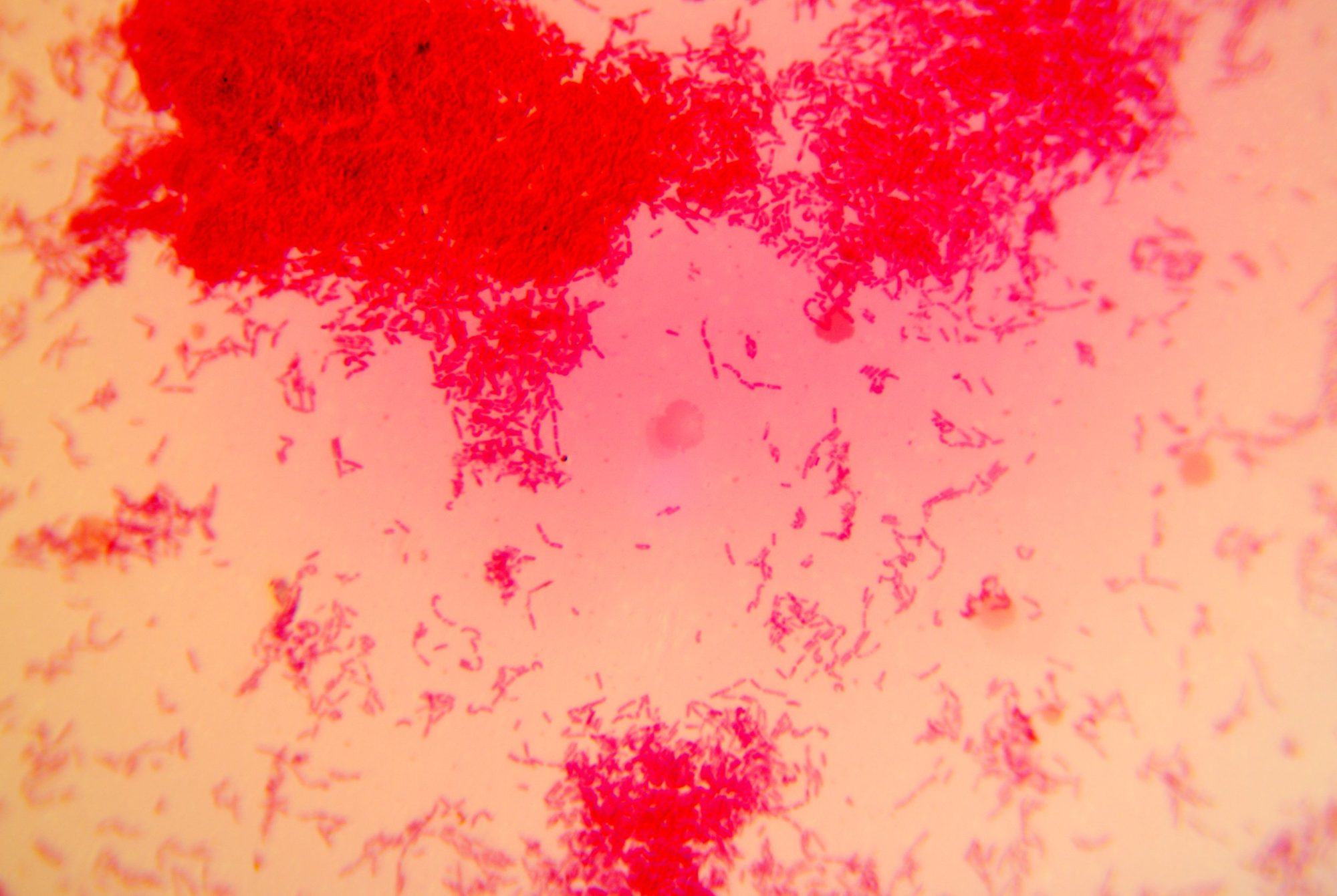
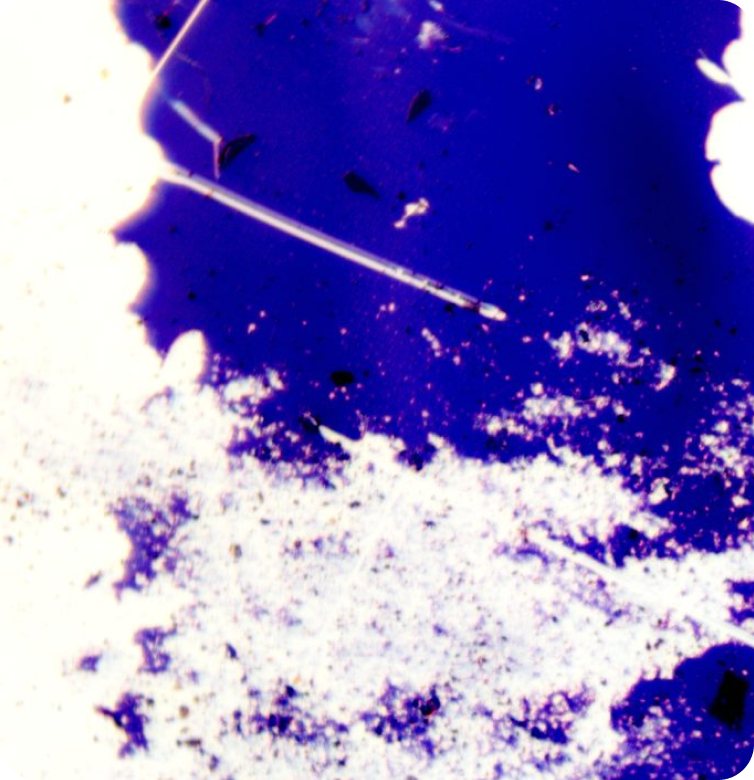
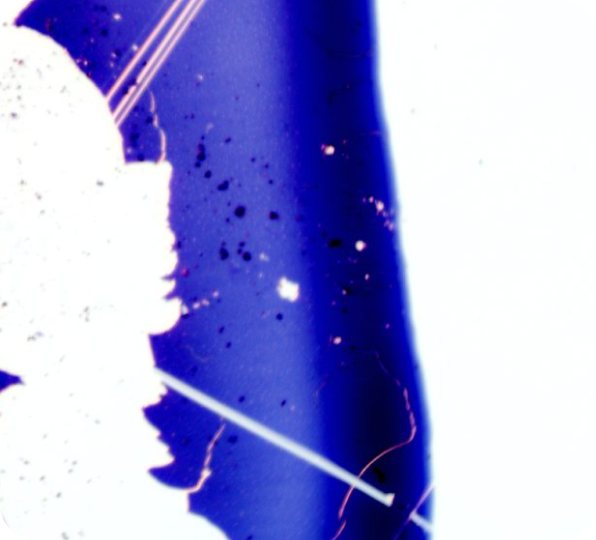
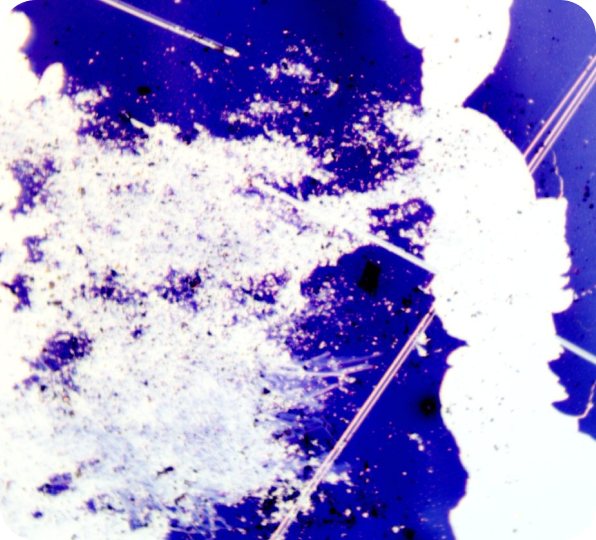
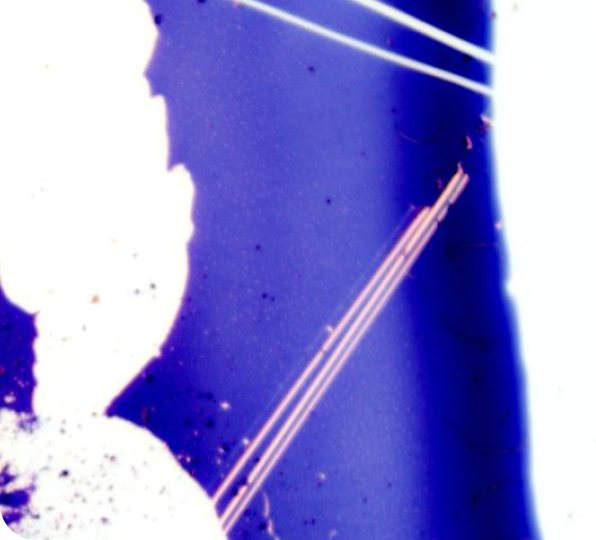
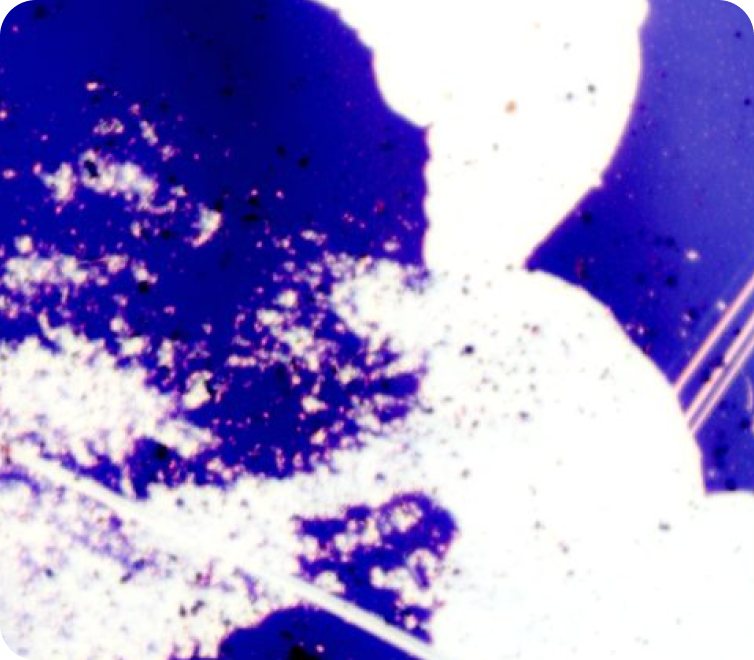
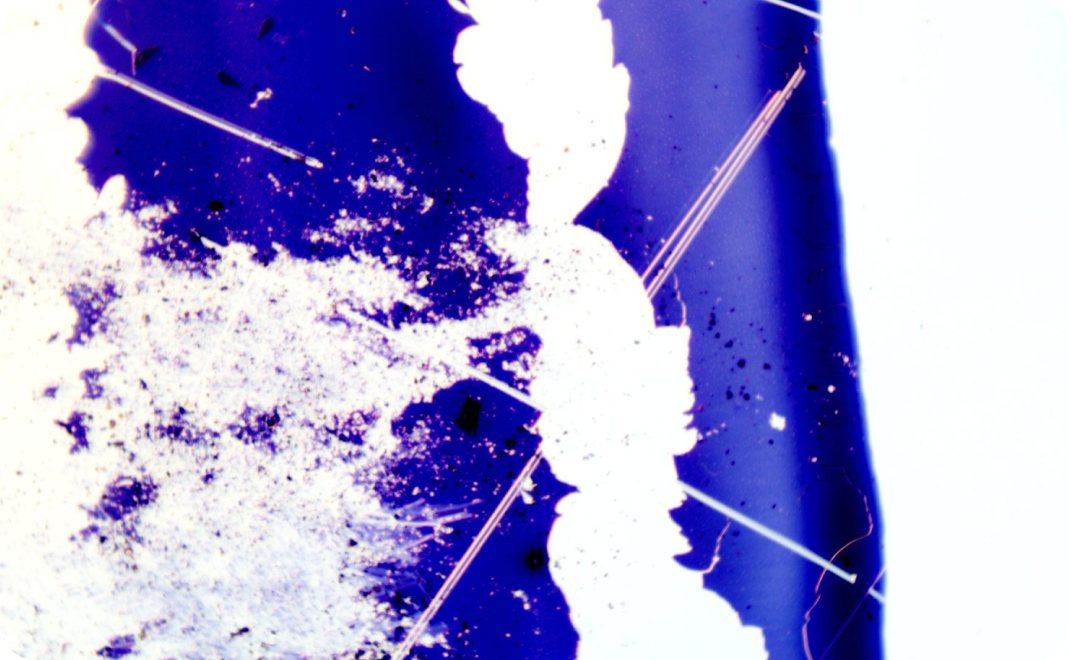
Found in soil and dust worldwide, Clostridium tetani forms a single round spore at one end of the cell, giving it a distinctive drumstick silhouette. The toxin it produces became the basis for the tetanus toxoid—one of the most widely used vaccines in history.
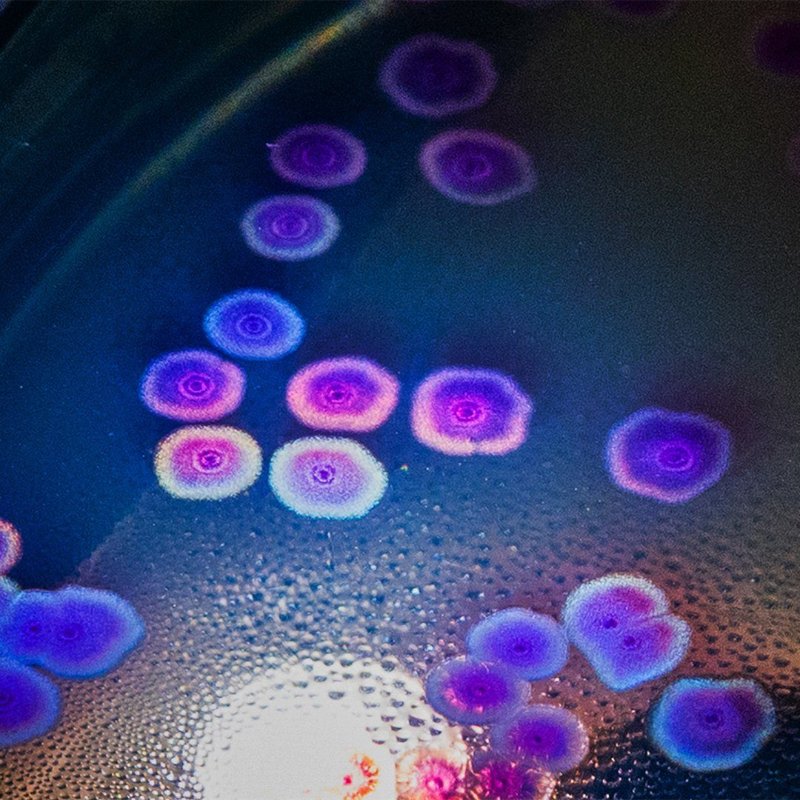
Through cinematic imagery and scientifically grounded narratives, we reveal the elegance of microbial life—and the critical role it plays across ecosystems, research, and discovery
Slender rods with a swollen terminal spore—the “drumstick” or “tennis racket” form recognised in every microbiology lab.
Its spores resist heat, drying, and disinfectants, persisting in soil for years until conditions turn favourable.
Work on its toxin in the 1890s led to antitoxin therapy and, later, the toxoid vaccine still given today.
Each gallery is built as an experience—where science, design, and perspective converge.
Stay connected with us and never miss a new feature. Enter your email below to receive updates on new galleries, stories and community events


A visual exploration where microbiology meets art—revealing the unseen world that shapes life on Earth.