New features released monthly.





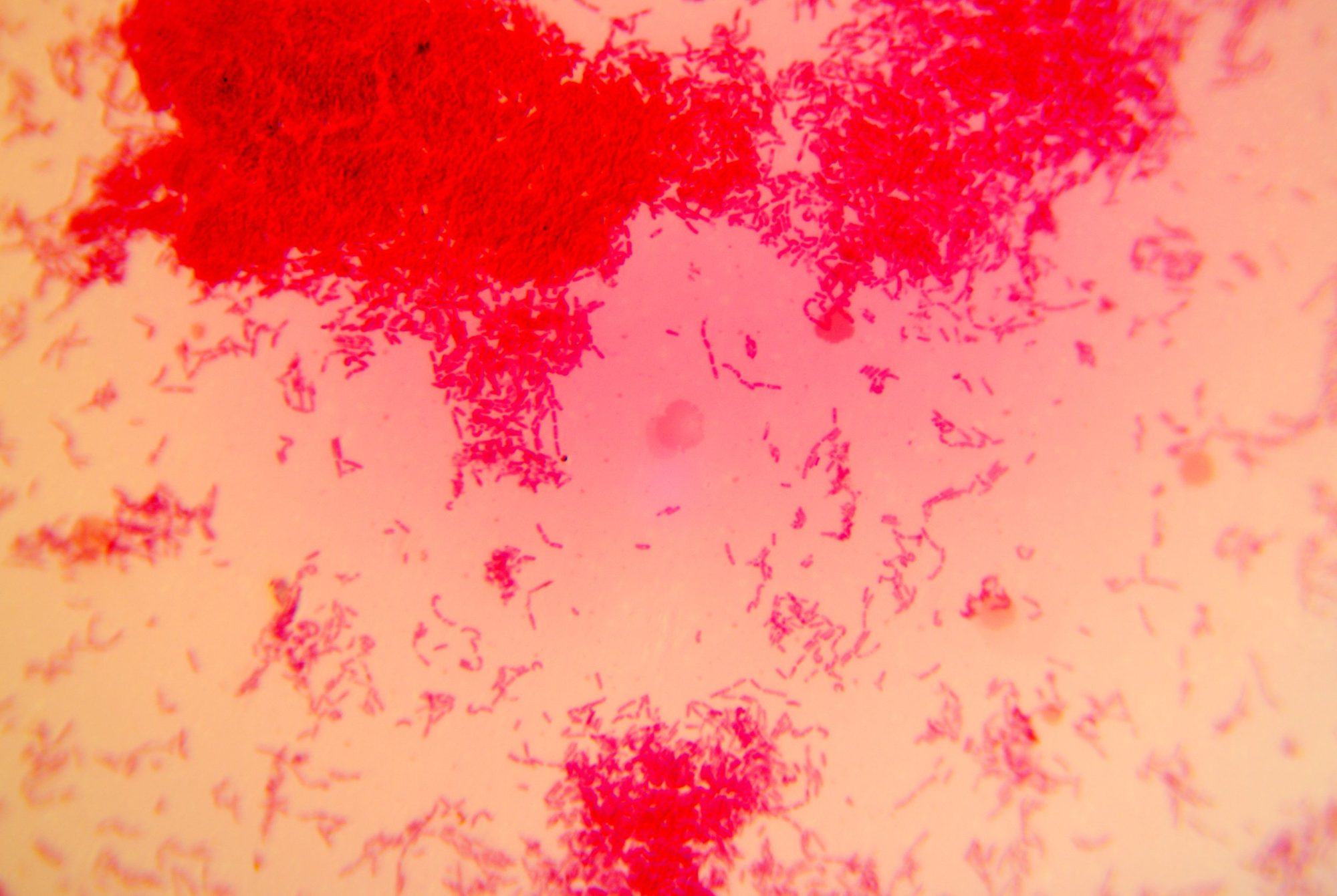
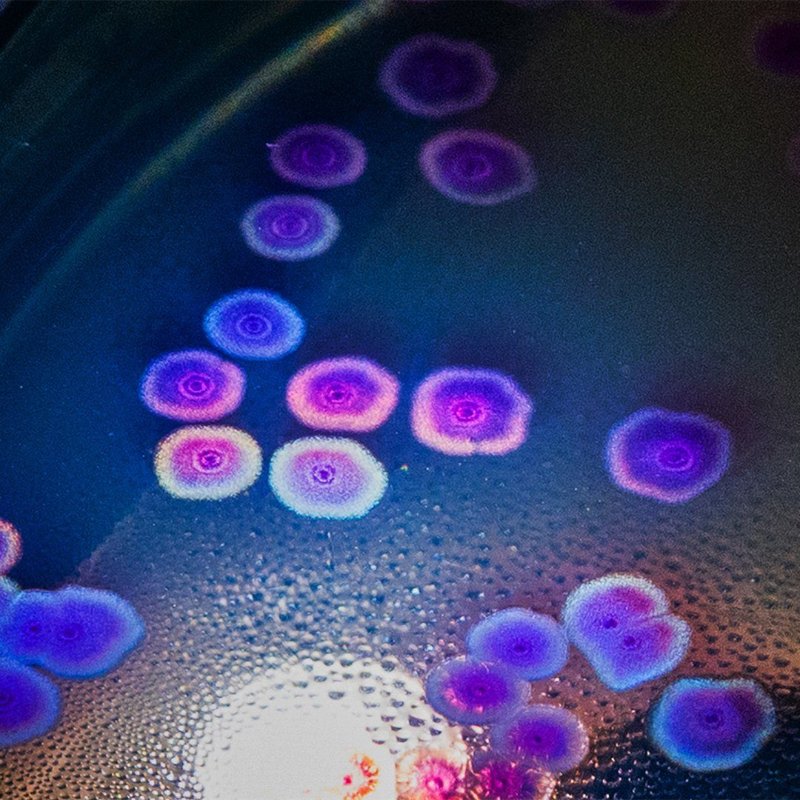
Streptococcus pyogenes, or Group A Streptococcus, divides along a single plane, so its cells stay linked in long, bead-like chains. It is behind strep throat and scarlet fever, and its study helped define how bacteria are grouped, typed, and treated.
Through cinematic imagery and scientifically grounded narratives, we reveal the elegance of microbial life—and the critical role it plays across ecosystems, research, and discovery
Round cells that divide in one plane and stay attached, forming chains of varying length.
Rebecca Lancefield’s work on its surface carbohydrates created the A–B–C grouping system still used today.
A key reason penicillin became central to modern medicine—and a model for studying immune response.
Each gallery is built as an experience—where science, design, and perspective converge.
Stay connected with us and never miss a new feature. Enter your email below to receive updates on new galleries, stories and community events


A visual exploration where microbiology meets art—revealing the unseen world that shapes life on Earth.