New features released monthly.





Escherichia coli was first described by Theodor Escherich in 1885. Fast-growing and easy to culture, it became the workhorse of genetics and molecular biology—the organism through which we first read, edited, and expressed DNA, including the production of human insulin.
Through cinematic imagery and scientifically grounded narratives, we reveal the elegance of microbial life—and the critical role it plays across ecosystems, research, and discovery
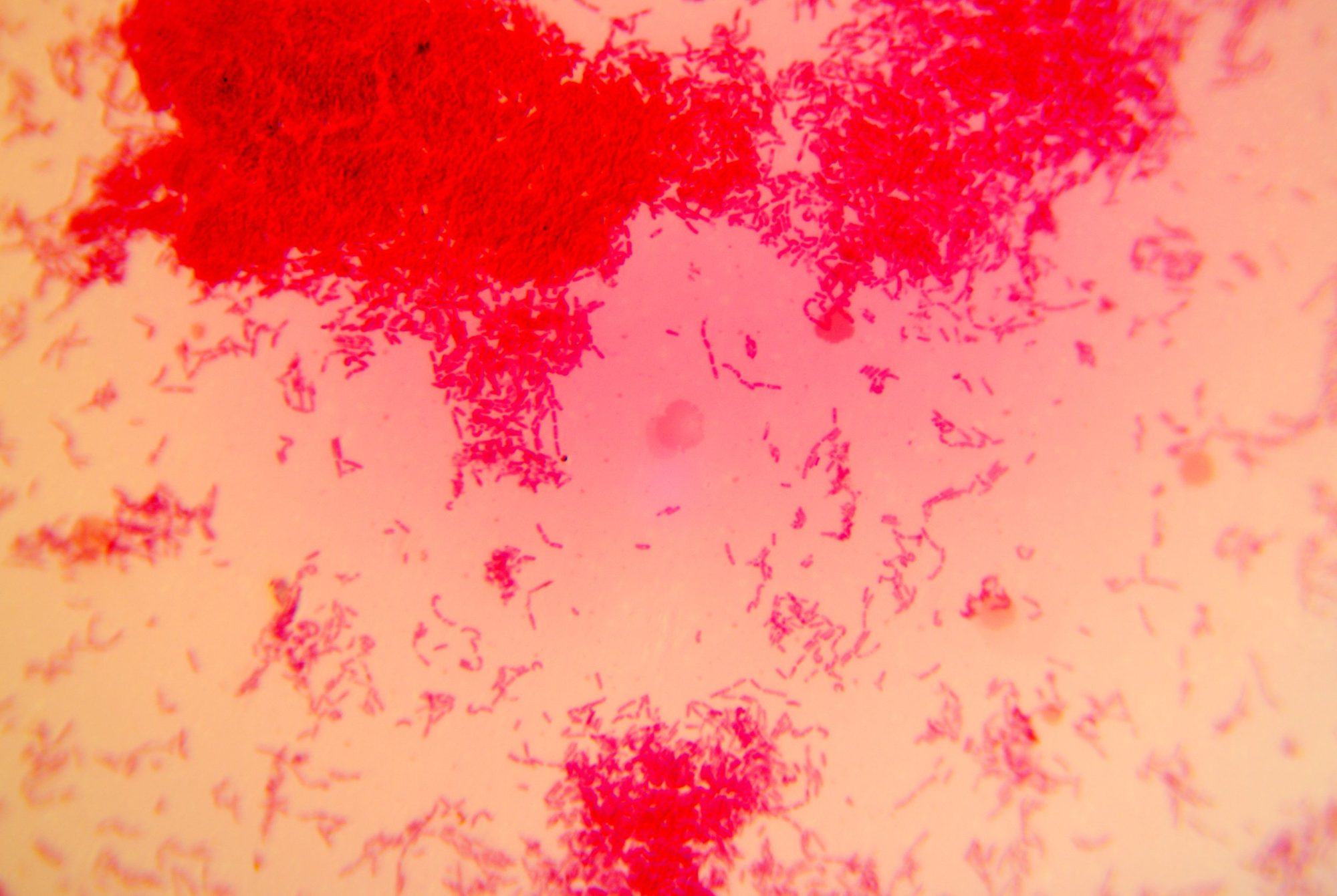
Short rods with a thin cell wall and an outer membrane—staining pink in a Gram stain.
Central to discoveries in gene regulation, DNA replication, and recombinant DNA technology.
A normal part of the human gut microbiome, helping to keep harmful microbes in check.
Each gallery is built as an experience—where science, design, and perspective converge.
Stay connected with us and never miss a new feature. Enter your email below to receive updates on new galleries, stories and community events
A visual exploration where microbiology meets art—revealing the unseen world that shapes life on Earth.